






The most common injuries when you start playing regularly
Padel is addictive, we know. But it's also true that it's one of the sports with the highest recovery rate. In my years at PadelStorage , I've seen hundreds of players quit online not because of a lack of talent, but because their bodies said "enough." If you don't take care of yourself, that desire to play every day can send you straight to the sidelines for months.
Elbows, shoulders, knees and back: what happens to them with padel
Most problems in our sport don't come from contact, but from repetitive movements and poor equipment . Sudden changes of direction cause those infamous ankle sprains (especially of the lateral collateral ligament). But what worries me most is "tennis elbow," or epicondylitis. That sharp pain on the outside of the elbow arises from poor technique or, more commonly, from using a racket that doesn't absorb vibrations.
We also have the famous "painful shoulder" from overloading the rotator cuff in finishing shots, and the muscle fiber tears in the calf, that dreaded "stone-throwing syndrome" that you feel when you start an unexpected sprint.
How the shovel affects your joints
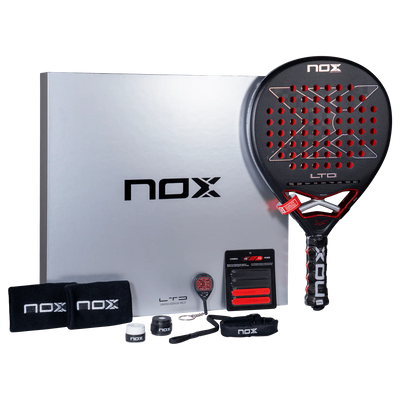
I've tried countless rackets, and I can assure you that the shape of your racket is your first line of defense. Many players in Mexico choose diamond-shaped rackets simply because a professional uses them, unaware that their high balance and small sweet spot are incredibly punishing on the elbow if you don't have perfect technique.
Weight, balance and stiffness: when they're working against you
If you're already experiencing discomfort, forget about heavy or overly stiff rackets. You need a low balance point that won't strain your wrist. In our collection of rackets for beginners and intermediate players , we've selected models with softer rubbers that act as a shock absorber for your arm. Don't let a "head-heavy" racket keep you off the court.

Shoes and flooring: why playing in just any sneakers isn't the same
Playing padel in running or gym shoes is a death sentence for your knees and ankles. Padel requires jumping and sudden stops that stress the plantar fascia and Achilles tendon.
Impact of cushioning and grip on your knees
Good padel shoes have soles designed for the synthetic grass and sand of our courts in Mexico. You need responsive cushioning to protect your lower back and prevent back pain. I've noticed that brands like Bullpadel and Nox have made great strides in protecting player health in 2026.
Warmth and accessories: the invisible life preservers
Almost no one warms up properly, and that's the biggest mistake. A few minutes of active conditioning before stepping onto the court and stretching afterward relax the muscles. But if you already have that lingering discomfort, there are key protective accessories .
Use thick wristbands to stabilize the joint and absorb sweat (which makes the racket heavier and causes it to slip). I also recommend using grip gels and sprays like 4ON to prevent you from having to grip the ball too tightly, which immediately triggers elbow pain.
Frequently asked questions about injuries and discomfort
Is it normal for my elbow to hurt when I start playing padel?
It's common, but it's NOT normal. It could be due to poor technique or a grip that's too thin. I suggest checking out our overgrip guide to adjust the handle thickness.
What type of shovel should I use if I already have elbow problems?
Look for a round paddle with a low balance and soft rubber (EVA Soft or FOAM). Avoid high-density carbon.
Which shoes help the most if my knees hurt?
Those with gel capsules or cushioning systems in the heel. Check out our Set or Wilson tennis shoe line for maximum protection.
How many days a week can I play without overdoing it?
If you're just starting out, 2 or 3 days is ideal. Rest is part of training; your muscles need to recover to avoid muscle tears.
When should you see a physiotherapist or doctor instead of enduring the pain?
If the pain doesn't go away with rest, or if you feel sharp, stabbing pains that prevent you from closing your hand or walking properly from the first step in the morning (a symptom of plantar fasciitis), don't self-medicate; see a professional!