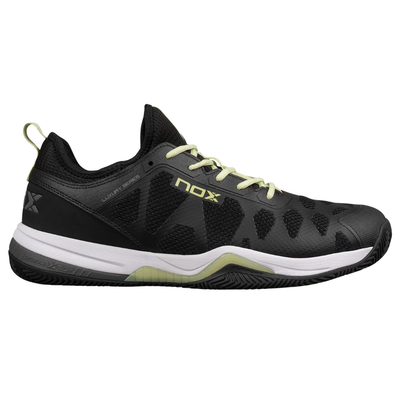







When you delve into the world of padel, one of the most critical decisions isn't the racket, it's the shoes. It's not about fashion, it's about physical safety. At PadelStorage, we've seen far too many knee injuries from wearing "running shoes" on a sand court. Choosing the right footwear is the difference between reaching that impossible shot and ending up on the ground.
Why you should NOT play padel with your running shoes
This is the most common mistake beginners make. Running shoes are designed for forward motion (linear movement). Padel is a sport of sudden stops, turns, and lateral movements .
If you wear gym shoes, your foot will wobble inside the shoe with every stop, increasing the risk of ankle sprains. Furthermore, running shoes lack grip on artificial turf, causing you to slip and slide as if you were on ice. You need lateral stability and a running shoe designed specifically for athletic use.
Padel sole types: Herringbone, Omni and Mixed
The secret is in the sole. Depending on where you play (whether the court has a lot of sand or very little), you'll need a different tread pattern on the rubber.
1. Clay Sole: The Queen of Mexico
Recognizable by its zigzag pattern. It is the most recommended for 90% of the courts in Mexico that tend to have a lot of sand.
- Advantage: Maximum grip and durability. Sand flows in and out of the grooves, allowing you to brake and accelerate without slipping.
- Recommendation: Look for models in our Asics or Bullpadel collection with the name "Clay".

2. Omni Sole: For old artificial grass
It's characterized by its small studs or cleats. It was very popular years ago. It offers excellent grip on grassy fields, but wears down quickly on hard surfaces. It's less common these days, but still useful in some clubs.
3. Mixed or Hybrid Sole: The all-rounder
It's a favorite among World Padel Tour players. It combines a herringbone pattern for grip and an omni or rotational pattern for easier turns.
If you're someone who changes clubs every weekend (from the Padel Club to private courts), this is the option for you. Brands like Nox and Wilson are betting heavily on this hybrid in 2026.
How your skill level influences the choice
Beginner (1-2 times per week)
Prioritize comfort and cushioning . Your joints aren't used to the impact of padel. Look for thick soles that absorb shock. You don't need the lightest model on the market, but the most stable.
Intermediate/Advanced (Leagues and tournaments)
Here we look for performance and lightness . You need footwear that reacts quickly. High-end models often incorporate TPU reinforcements in the arch to improve propulsion and prevent foot twisting during intense plays.
Cushioning and protection: Don't let your knees pay the price.
Padel is hard on the knees. Good cushioning (technologies like Gel, Foam, or Air Capsules) is essential. If you've had ankle problems before, look for boot-style shoes or those with heel reinforcement to stabilize your foot. At PadelStorage, we select models that prioritize your health because we want you to play for many years to come.
Frequently Asked Questions about Tennis Shoes and Soles
Which sole is better if the court has a lot of sand?
Without a doubt, the Herringbone (Clay) sole is the only one that guarantees traction when there is excess sand on the surface.
How often should I change my padel tennis shoes?
It depends on how often you play, but if you play three times a week, the soles usually lose their grip after six to eight months. If the tread is worn smooth, it's dangerous to play: replace them now.
Can I use my tennis shoes (hard court) for padel?
It's possible, but not ideal. Tennis shoes designed for hard courts (All Court) are very slippery on the synthetic grass and sand used in padel. It's better to invest in a pair specifically designed for padel.