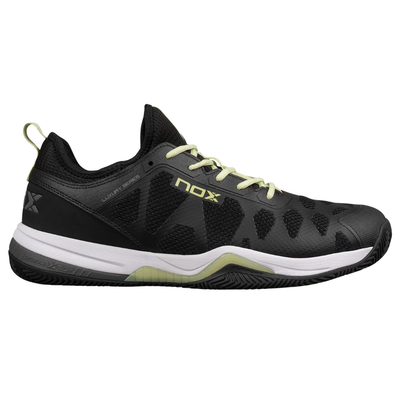







Choosing your padel shoes is probably the most important decision you'll make for your athletic health. Whether you're just learning to hold a racket or already competing in Open tournaments, each level demands different performance. At PadelStorage, we know you don't need to spend a fortune to get started, but you do need to know what to invest in to avoid ending up with swollen ankles.
What a good padel tennis set should have (whatever your level)
Before you look at different ranges, remember this. All padel shoes in Mexico must meet the "Holy Trinity" of comfort:
- Grip: If the sole doesn't stop hard on the sand, it's useless.
- Lateral Stability: Padel is a sideways sport. You need reinforcements that prevent your foot from "rolling over".
- Cushioning: To protect menisci and heels from repetitive impacts.
1. Beginners: Comfort and safety above all
If you play once a week or are just starting out, you don't need the lightest shoe on the market. You need the safest one.
Your priority: Thick cushioning and a durable sole. When starting out, we tend to be heavier and drag our feet more. Look for robust models in our Asics collection or entry-level models from Joma , which offer unbeatable value for your first runs.
2. Intermediate: Stability for greater intensity
You already play 2 or 3 times a week, participate in American football, and your movements are more explosive. At this point, your basic running shoe won't be enough.
Your priority: Lateral reinforcements and a hybrid sole. You need technologies like a TPU chassis that prevents foot twisting during quick turns. Mid-range options from Bullpadel or Adidas are perfect because they balance durability with a lighter weight.
3. Advanced: Pure responsiveness and lightness
For the competitive player, every gram counts. You've already refined your running technique (you don't drag your feet), so you can sacrifice a little sturdiness in exchange for speed.

Your priority: Energy return and a snug, "sock-like" fit. You're looking for models like the Vertex or the top-of-the-range Nox , which allow you to power up in milliseconds.
How to know if it's time to change your sneakers
Don't wait until you have a hole in the sole. If you notice that:
- You slip more than normal (the sole pattern is smooth).
- Your knees hurt after playing (the EVA foam in the sole has "suck in" and no longer provides cushioning).
- The heel moves around inside the shoe.
Change them now! Playing in worn-out tennis shoes is a fast track to injury.
Frequently asked questions before buying
What is the real difference between cheap and expensive sneakers?
The durability of the materials and the technology of the sole. The outsoles use rubber that doesn't deform with heat and maintains cushioning for more games.
What size should I choose if I play for many hours?
Your feet swell with exercise. I recommend adding half a centimeter (or half a size) to your dress shoe size to avoid black toenails.
Is it better to prioritize grip or comfort?
If you're a beginner, comfort is key . If you're advanced, grip and lightness are essential .